Table of Contents
ToggleCall of Duty stickers have evolved from simple cosmetic additions into a legitimate collecting hobby for dedicated players and casual fans alike. Whether you’re decorating your loadouts, building a rare collection, or just trying to look sharp on the battlefield, understanding the sticker ecosystem is essential to getting the most out of your investment. In 2026, the sticker scene in Call of Duty is more vibrant and valuable than ever, with everything from operator-themed designs to limited-edition drops that sell for serious cash. This guide breaks down what you need to know about acquiring, valuing, and showcasing these digital assets, plus how to connect with a thriving collector community.
Key Takeaways
- Call of Duty stickers evolved from simple cosmetics into a legitimate collecting hobby, with rare designs from 2019-2021 seasons commanding significant secondary market value.
- Players can obtain Call of Duty stickers through in-game challenges, seasonal battle passes ($10 USD), direct purchases, or community trades, with multiple paths accessible to both casual and dedicated collectors.
- Rarity classifications—from Common to Legendary—are determined by limited availability windows, event exclusivity, and time passed since release, with event-exclusive and crossover stickers holding the highest collector demand.
- Effective sticker display requires strategic weapon placement and thematic loadout building, where intentional design choices transform generic weapons into recognizable signature aesthetics.
- Established Discord communities, Reddit forums, and reputation-based trading systems help collectors verify trades safely, but peer-to-peer trading carries scam risks since Call of Duty lacks an official marketplace.
- Seasonal rotations, franchise crossovers, and limited-time releases create collector FOMO that sustains engagement, making the sticker ecosystem accessible to new players while maintaining real value for veteran collections.
What Are Call Of Duty Stickers?
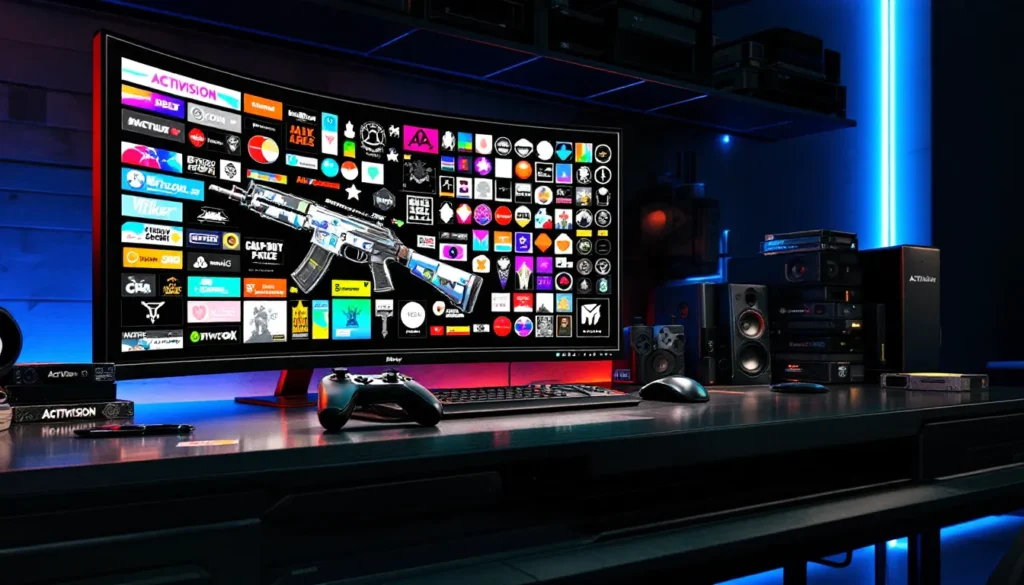
Call of Duty stickers are cosmetic items that players can apply to their weapons and equipment to personalize their in-game appearance. Unlike skins that completely transform a weapon’s look, stickers are smaller decals that add character and flair without altering core functionality. They’re purely visual, applying a sticker won’t boost your DPS or change your TTK (time-to-kill), but it does signal taste and dedication to other players.
Stickers come in dozens of designs, from sleek military insignias to bold character art featuring your favorite operators. They’re available across all major Call of Duty titles on PC, PlayStation, and Xbox platforms, with mobile versions offering their own unique roster. The appeal isn’t just aesthetic either. Rare stickers have become tradeable assets, with collectors hunting specific drops and veterans showcasing limited releases as badges of honor.
What makes stickers different from other cosmetics is their sheer accessibility. Unlike a premium operator skin that costs $20+, many stickers are attainable through regular gameplay, seasonal challenges, or affordable battle pass purchases. This democratization of cosmetics has made sticker collecting genuinely inclusive, you don’t need a whale-sized budget to build an impressive collection.
The History And Evolution Of Call Of Duty Stickers
In-Game Sticker Systems Across Titles
Stickers weren’t always a core feature of Call of Duty. The system gained real traction with Modern Warfare (2019) and Call of Duty: Warzone, where weapon customization became a social statement. Early iterations were simple, limited palette options and basic operator logos. The Cold War era (2020–2021) expanded the roster significantly, introducing thematic events with corresponding sticker drops that tied into the campaign narrative.
Black Ops Cold War really pushed stickers into the spotlight with seasonal releases tied to battle passes and limited-time events. Players could earn exotic designs by grinding specific challenges, creating a sense of urgency and achievement. The transition to Modern Warfare II (2022) and Warzone 2.0 turbocharged the entire ecosystem. Suddenly, stickers weren’t just throw-away cosmetics, they became status symbols. Rare event drops sold out, and certain vintage stickers from past seasons became genuinely scarce.
By 2024, the modern era of Call of Duty (with the integrated Warzone experience) had cemented stickers as a permanent pillar of cosmetic culture. Seasonal rotations, operator bundles, and cross-promotional events with major franchises flooded the market with new designs every month. The sheer volume meant collectors had to get strategic about what to hunt.
Official Merchandise And Physical Collectibles
Activision recognized the demand early and launched official physical sticker packs. These aren’t just digital codes, actual, tangible stickers you can slap on your controller, PC case, or water bottle. The first official runs sold out fast, especially limited editions tied to esports events or major releases. Collectors quickly learned that physical sets were often rarer than their digital counterparts.
Physical sticker packs typically come with 8–12 designs per set, often spanning a theme (e.g., “Task Force 141” operators, seasonal holiday designs, or esports team branding). Some special editions include holographic finishes or metallic prints that look incredible in person. The merch angle also created a new market dynamic: players who purchased physical packs often got exclusive digital codes, tying the physical and digital ecosystems together.
Today, original physical sticker boxes from 2020–2021 are legitimately scarce and command collector premiums. It’s become common to see resellers offering vintage physical packs on eBay or specialty gaming merchandise sites for 3-5x the original retail price. This crossover appeal, where digital cosmetics have real-world collector value, isn’t unique to Call of Duty, but it’s particularly strong here due to the franchise’s mainstream popularity.
Types And Categories Of Call Of Duty Stickers
Operator And Character Stickers
Operator stickers are the bread and butter of any collection. These feature portrait artwork or iconic imagery of playable characters from the campaign, multiplayer, and Warzone. Think Captain Price, Ghost, Roze, Soap, all the legends you’ve run alongside. Operator stickers typically come in a few variants: clean portrait designs, action poses, and minimalist logo versions.
Character stickers also include antagonists and supporting cast. Thanks to the lore-heavy campaigns in recent titles, players can collect stickers featuring campaign villains and allies. The visual quality on these has genuinely improved, they’re not lazy portraits anymore. Some designs capture action shots mid-animation, giving them dynamic energy that looks sharp on a rifle or shotgun.
Rarity varies here. Standard operator stickers from the base roster are common drops. But limited-run designs tied to specific seasons or operators’ “story events” can be genuinely hard to find, especially if you weren’t grinding during that particular window.
Weapon And Equipment Stickers
Weapon stickers are geometric designs, camouflage patterns, or thematic artwork that speaks to the gun itself. You’ll find M4 camo variants, AK-74 designs with military insignia, sniper rifle crosshair art, and shotgun shells branding. Equipment stickers cover tactical gear: grenades, killstreak emblems (drone strikes, helicopters, etc.), and gadget designs like C4 or thermite.
These categories are popular because they’re hyper-functional. A player building a cohesive loadout naturally wants stickers that complement their gun choice. An aggressive rusher running an SMG might grab neon sprint designs, while a sniper could chase vintage crosshair art. Equipment stickers are often tied to performance rewards, complete a challenge with a specific killstreak, unlock its sticker.
Weapon stickers trend toward realism and military authenticity in design. You won’t see cartoony art here: instead, you get weapon manufacturer logos, ammo manufacturer branding, and tactical schematic art. This aesthetic appeals to players who want their loadout to feel grounded and lethal.
Event And Limited-Edition Stickers
This is where the hype lives. Every season and major event (Halloween, Christmas, collaboration crossovers with franchises like Godzilla or Terminator) brings exclusive sticker drops that exist only during that window. Holiday stickers are perennial favorites, spooky October designs, festive December artwork, and Valentine’s exclusives rotate predictably.
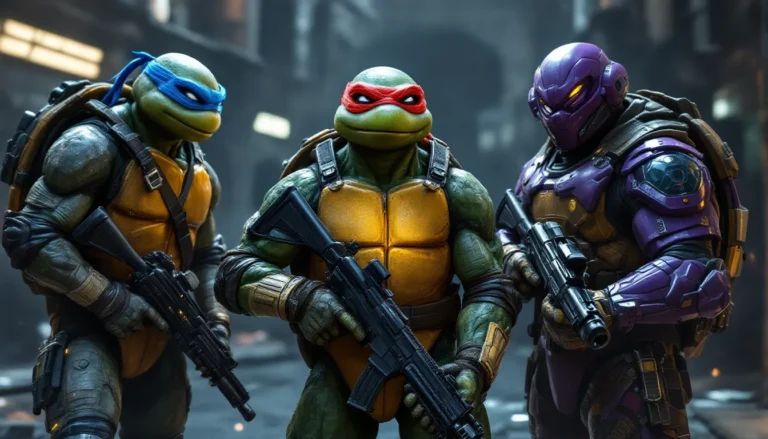
Crossovers are chaos in the best way. When Call of Duty partners with major IPs, the sticker roster explodes. You get character art from the licensed franchise, blended with Call of Duty operators in themed scenarios. These drops are always time-limited, creating collector FOMO (fear of missing out) that drives engagement. Players who slept on a crossover season now hunt secondary markets desperately.
Esports and competitive event stickers are another rare category. Tied to pro championships, franchises, and in-game tournaments, these drops are usually limited to a few thousand globally. Veterans of major esports moments (major tournament wins, iconic clutches) sometimes get commemorative stickers, essentially digital trading cards of gaming history. These hold serious sentimental and monetary value for hardcore esports fans.
How To Obtain Call Of Duty Stickers
In-Game Progression And Unlocks
The most straightforward path to building a sticker collection is grinding in-game challenges. Each season, multiplayer and Warzone modes feature challenge-based unlocks. Challenges might require:
- Weapon-specific tasks: Get 20 headshots with the AK-74, unlock an AK-74 sticker
- Operator progression: Complete operator missions or storyline tasks, earn operator stickers
- Mode-specific grinds: Win 5 battle royale matches, earn a Warzone-exclusive sticker
- Event challenges: During limited-time events, unique challenges unlock themed stickers
This system rewards playtime and engagement. Casual players can snag some stickers by simply playing normally, while dedicated grinders who hunt specific challenges can farm rare drops consistently. The beauty is there’s zero pay-to-win aspect, skill and time are the only gates.
Difficulty varies wildly. Some stickers drop for finishing a match or completing a weekly task. Others require high-level competitive play (top-10 finishes in ranked, multi-kill streaks) that take serious effort. This tiering ensures casuals aren’t excluded but also gives hardcore players exclusive rewards worth the sweat.
Battle Pass Rewards
Seasonal battle passes are the primary paid path to stickers. Each season (roughly 6 weeks per season in modern Call of Duty), players can buy a pass for around $10 USD. The pass includes dozens of cosmetics, with stickers scattered throughout the reward tiers. Free pass holders get access to some stickers, but the good stuff is locked behind the premium tier.
Battle pass stickers are predictable but quality-controlled. Activision ensures every sticker in a pass fits a cohesive theme, a season might have a “Spec Ops” aesthetic, and every sticker reflects that. This makes planning collections easier. Serious collectors know what’s coming and plan their spending accordingly.
The downside: if you miss a season, those battle pass stickers are gone forever. There’s no reruns or “second chances.” This scarcity is intentional, battle passes create artificial urgency. Players who started in 2024 will never get the iconic stickers from 2020, making veteran collections genuinely valuable. This has created secondary markets where players trade or sell battle pass cosmetics from past seasons.
Purchasing And Trading Options
Beyond challenges and battle passes, stickers can be purchased directly through in-game stores. Limited-time bundles appear regularly, often bundled with operators or weapon blueprints. A $20 operator bundle might include 3-4 unique stickers you can’t get anywhere else. For serious collectors, this is the fastest path, but it costs real money.
Secondary marketplaces have emerged where players trade digital cosmetics. Platforms like Dexerto cover trading trends, and community-run Discord servers help peer-to-peer trades. But, these aren’t official channels, trades happen between players, not through Activision. This means buyer beware. Always verify legitimacy, and avoid sending money upfront without escrow protection.
Some games have official trading systems (think CS:GO skins), but Call of Duty doesn’t currently offer an integrated marketplace. This creates a wild west scenario where unofficial markets thrive. If you’re buying or trading stickers, stick to established communities with reputation systems and moderation. Scams do happen, and Activision won’t refund you if you got burned on a private deal.
Rarity Tiers And Collectibility Value
Understanding Sticker Rarity Classifications
Not all stickers are created equal. The community has developed an informal rarity system that affects both collector prestige and real-world value:
- Common: Stickers from unlimited challenges or free battle pass tiers. Easy to obtain, low collector value. Examples: seasonal filler designs, generic military logos.
- Uncommon: Challenge-locked stickers that required moderate effort (mid-tier weapons challenges, standard operator tasks). More valuable than common, but still farmable.
- Rare: Seasonal limited-time stickers or high-tier battle pass rewards. Require grinding or money. These start holding genuine value.
- Epic: Exclusive event stickers tied to one-week drops, crossover designs, or esports moments. Significantly limited quantity. Collectors actively hunt these.
- Legendary: Vintage stickers from old seasons (2019-2021), official physical releases, or collaboration exclusives. These are genuinely scarce. A veteran collector might own a handful.
Rarity isn’t officially labeled in-game, you won’t see a “Legendary” tag. Instead, collectors track rarity through community wikis, season calendars, and market data. Popular sites like The Loadout frequently publish sticker guides that track which designs are still available and which have cycled out permanently.
One critical factor: availability window. A sticker released during a 2-week event that dropped in 2021 is far rarer than a similar-quality sticker from a 3-month seasonal battle pass in 2025. Time away from being obtainable directly correlates to rarity. This is why 2020-2021 designs command premiums, they’re genuinely gone. No reruns. No rereleases.
What Makes Stickers Valuable To Collectors
Value isn’t just rarity. A few factors compound to create genuine collector demand:
Nostalgia & Legacy: Stickers tied to iconic operators or legendary campaigns hold emotional weight. A Ghost or Soap sticker from an early season hits different because you’ve been playing alongside these characters for years. That connection drives demand even for relatively common designs.
Visual Quality: Not all old stickers look good. The ones that do, crisp artwork, bold colors, iconic imagery, age well and attract new collectors who missed the original drop. A visually stunning 2021 operator sticker will always find an audience.
Limited Window: Event exclusives are king. A “Halloween 2023” sticker set won’t return in 2024. Collectors FOMO-buy these aggressively. If you slept on it, you’re hunting the secondary market forever.
Crossover Power: Franchise crossovers (especially with mainstream IPs like Godzilla or The Walking Dead) appeal beyond just Call of Duty players. Terminator fans who don’t play Call of Duty might still hunt a T-800 sticker. This cross-fandom demand inflates value.
Cultural Moments: Stickers tied to esports milestones or viral in-game moments become historical artifacts. Collectors value them as digital memorabilia, not just pretty designs.
In practical terms, veteran collections from 2019-2021 can be “worth” hundreds of dollars on secondary markets. A player with early-season battle pass stickers from Modern Warfare (2019) might have originals that nobody else can get. That scarcity is real, even if Activision doesn’t officially recognize it.
Displaying And Using Your Stickers Effectively
Weapon Customization And Placement
Having stickers is one thing. Displaying them strategically is an art. Smart placement transforms a generic loadout into something visually cohesive.
Most Call of Duty weapons let you apply 2-3 stickers per gun (placement varies by gun model). The goal is harmony, your stickers should complement the weapon’s base aesthetic and any camo or blueprint applied. A futuristic sci-fi sticker clashes with a realistic wood-stock sniper rifle, but a tactical insignia doesn’t.
Placement matters tactically too. On a rifle, placing a sticker on the magazine makes sense visually (real soldiers do this). On the stock or grip area also looks natural. Slapping 3 stickers randomly across a weapon looks cluttered and amateur. Dedicated sticker enthusiasts treat gun customization like interior design, negative space is your friend.
For submachine guns and pistols (smaller canvases), a single bold sticker often hits harder than cramming 3 designs. Shotguns and sniper rifles can handle more due to their larger visual surface area. This constraint actually forces creativity, figuring out the perfect sticker combo for a small weapon is genuinely satisfying.
Creating Signature Loadouts With Stickers
Veterans and competitive players create “signature looks”, distinctive loadout aesthetics that become recognizable. Your sticker choices define this persona. Maybe you run all operator stickers (pure “military badass” vibes). Maybe you mix operator art with neon geometric designs (“tactical with edge”). Maybe everything is crossover stickers, making your guns walking memes.
Theme-building requires planning. If your operator is Ghost (all black tactical), running bloodred stickers across your loadout reinforces the dark, aggressive aesthetic. If you’re running a “sharpshooter” sniper setup, vintage crosshair and scope stickers make sense. Intentional theming gets noticed. Randomness looks chaotic.
Content creators and competitive players leverage stickers for branding. A streamer might apply his signature logo sticker across every weapon, making his gun aesthetic instantly recognizable to viewers. Esports teams have been known to coordinate sticker choices across rosters. It’s a small detail that builds team identity and looks sharp in highlight clips.
Seasoned players also rotate stickers seasonally. Winter season? Holiday stickers. Halloween event active? Limited-time spooky designs get equipped. It’s not required, but it shows engagement with the game’s culture and current momentum. New players notice this and feel behind, which creates natural drive to hunt seasonal stickers.
Call Of Duty Sticker Community And Trading
Online Communities For Collectors
The sticker collector community is surprisingly organized. Dedicated Discord servers (often 10,000+ members) track every sticker ever released, maintain price guides, and help trades. These communities are run by passionate fans, not Activision, but they’re surprisingly professional.
Top communities maintain:
- Sticker wikis: Complete catalogs with release dates, availability windows, and rarity assessments
- Price indices: Tracking what certain stickers “sell for” on secondary markets
- Trading boards: Classified sections where collectors post what they’re hunting and what they’ll trade
- Event calendars: Advanced notice of upcoming drops and limited-time releases
- Verification systems: Moderators who verify traders and flag scammers
Reddit communities (r/blackops6, r/ModernWarfare2, r/CODWarzone) also host regular sticker discussion threads. Posts like “What are the rarest stickers in your collection?” spark genuine conversation. Veterans flex vintage cosmetics, and newer players ask how to build competitive collections on a budget.
Twitter and TikTok have sticker content too, though it’s less organized. Collectors post collection showcase videos (“My complete 2019-2023 operator stickers collection” videos get thousands of views). This social validation aspect drives the hobby, showing off is part of the fun.
Dexerto and other gaming news sites occasionally cover sticker trends, especially when major releases or crossovers drop. This mainstream coverage further legitimizes collecting as a hobby, not just something weird obsessives do.
Safe Trading Practices And Marketplaces
Since Call of Duty doesn’t have an official trading system, safety is critical. Here’s how to avoid getting scammed:
Use escrow services: Third-party sites can hold items/payment during a trade, releasing only when both parties confirm. This prevents “I sent stickers, you didn’t pay” scenarios.
Verify trader history: Communities like major Discord servers maintain reputation systems. A user with 50 successful trades is obviously safer than a brand-new account.
Never go first unless verified: If trading with someone unknown, don’t send your stickers first and hope they reciprocate. That’s the classic scam pattern.
Screenshot confirmations: Have the other party confirm the trade in screenshots before accepting cosmetics. Dispute resolution becomes possible if you have proof.
Avoid payment methods with no chargeback: Credit cards let you chargeback fraud. Direct bank transfers don’t. Use the safest payment method available.
Know platform restrictions: Some cosmetics are account-bound and can’t be traded at all. Verify what’s tradeable before negotiating.
Worth noting: GamesRadar+ has published guides on avoiding trading scams in gaming cosmetics. While not Call of Duty–specific, the principles apply universally.
The harsh reality is that many sticker traders operate on peer-to-peer trust with no safety net. Before investing serious money in rare cosmetics, understand the risks. Stick to established communities with reputation systems. If a deal seems too good, it probably is. Scammers prey on FOMO, don’t let urgency override caution.
Conclusion
Call of Duty stickers have solidified themselves as a core part of the game’s cosmetic culture. Whether you’re a casual player grabbing free challenge rewards, a dedicated collector hunting rare designs, or an investor speculating on secondary markets, there’s depth here that extends far beyond simple cosmetics.
The ecosystem rewards engagement, players who stay active get stickers through challenges. It rewards patience, collectors who wait for seasonal drops and event moments build value over time. And it rewards community, the trading and discussion spaces around stickers have become genuinely social.
As of 2026, the sticker landscape is more accessible than ever (new players have years of designs available) but also more valuable (vintage stickers from 2019-2021 command real premiums). That balance keeps the hobby fresh. Whether you’re chasing that one rare operator design or building a cohesive thematic loadout, understanding rarity, value, and where to hunt gives you a major advantage. The barrier to entry is low, free players can grab legitimate stickers, but the ceiling for obsession is genuinely high. That’s what makes sticker collecting stick around.