Table of Contents
TogglePeter Stormare’s voice acting work in Call of Duty represents one of gaming’s most underrated contributions to narrative storytelling. While many players remember iconic campaign moments, fewer realize the Swedish actor’s distinctive vocal presence shaped entire character arcs and elevated campaign immersion across multiple entries in the franchise. From his commanding performances in various roles to his ability to deliver nuanced dialogue that stuck with players long after the credits rolled, Stormare proved that voice acting could be as impactful in games as it is on film. This guide breaks down his Call of Duty legacy, explores why voice actors matter in gaming, and reveals how his work influenced the franchise’s storytelling approach, all while examining his broader voice acting portfolio that extends far beyond the military shooter space.
Key Takeaways
- Peter Stormare’s voice acting in Call of Duty: Black Ops 4 elevated the franchise’s narrative quality by bringing film-level authenticity and restraint to character performances like Viktor Reznov.
- Voice actors in Call of Duty campaigns are critical to player immersion and emotional investment, directly impacting how audiences connect with story and campaign objectives.
- Stormare’s transition from acclaimed film work (Fargo, The Big Lebowski) to gaming demonstrated that serious actors could treat video game voice work with the same professionalism and craft as film roles.
- The casting of recognizable talent like Stormare in Call of Duty signaled industry-wide recognition that gaming narratives deserve A-level voice performances and elevated storytelling standards.
- Appreciating voice acting in Call of Duty requires active listening to nuances like tone shifts, emotional texture, and character consistency that distinguish competent from memorable performances.
- Peter Stormare’s gaming career helped establish the precedent that games are a legitimate creative medium worthy of established actors treating voice work as serious craft, influencing future franchise casting decisions.
Who Is Peter Stormare?
Early Career And Film Breakthrough
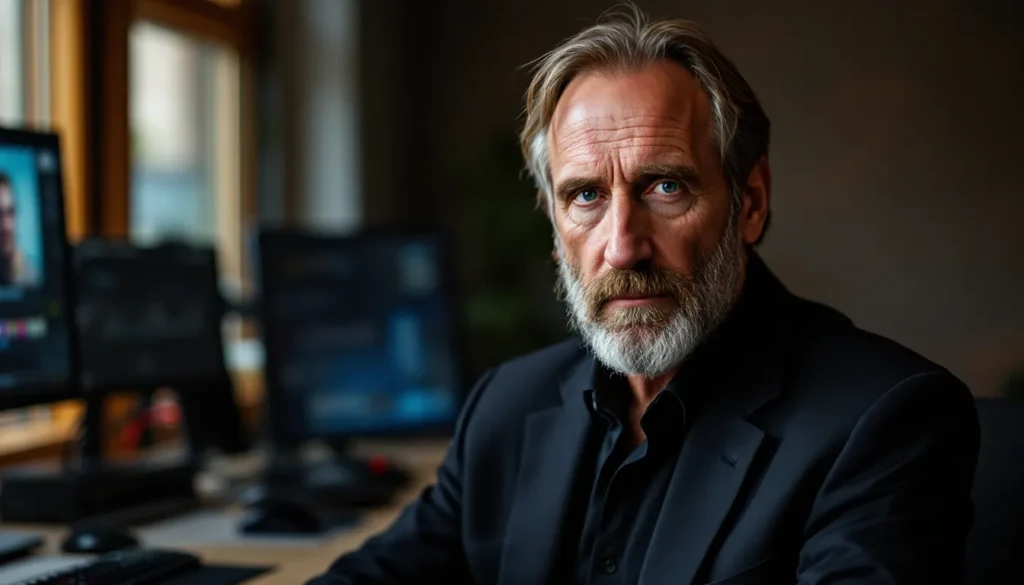
Peter Stormare isn’t a household name among casual gamers, but his resume speaks for itself. The Swedish-American actor, born Rolf Peter Ingvar Storm in 1953, built his career on versatility, playing everything from villains to supporting characters that somehow became unforgettable. His film breakthrough came through work with the Coen Brothers, most notably as the terrifying Gaear Grimsrud in Fargo (1996), a role that earned him an Oscar nomination and cemented his reputation as an actor who could command scenes with minimal dialogue.
But Stormare’s range extends well beyond arthouse cinema. He’s appeared in The Big Lebowski, Dancer in the Dark, Prison Break, and dozens of other TV shows and films. What makes him particularly valuable in entertainment is his ability to convey menace, intelligence, and complexity through voice alone, a skill that translates perfectly to interactive media.
Transition To Voice Acting And Gaming
Stormare didn’t stumble into video game voice acting by accident. His transition was natural: an actor with decades of performance experience, comfortable with microphone work, and skilled at crafting character voices without relying on physical presence. Gaming studios began reaching out once they realized his profile and talent could elevate their narrative content.
His foray into gaming coincided with a broader industry shift where major studios started casting recognizable actors for marquee roles rather than relying exclusively on dedicated voice talent. This wasn’t just a marketing move, it was a recognition that storytelling in games had matured to the point where performances mattered as much as gameplay mechanics. Stormare’s film background meant he understood character motivation, emotional beats, and how to layer meaning into dialogue. When he stepped up to the mic for Call of Duty work, he brought that cinematic sensibility to the franchise.
Peter Stormare’s Call Of Duty Roles
Characters He Has Voiced
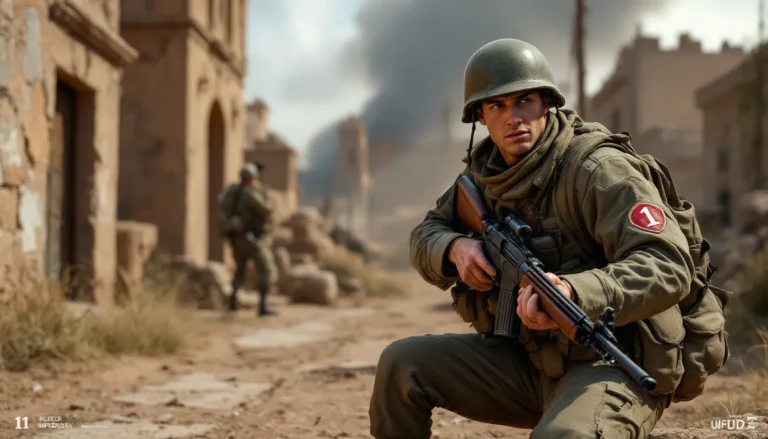
Stormare voiced several characters across the Call of Duty franchise, though his most prominent role was as Viktor Reznov in Call of Duty: Black Ops 4 (2018) and subsequent titles. Reznov is a Soviet-era soldier character whose story and presence were central to the Black Ops narrative. Stormare’s delivery, mixing gravelly intensity with philosophical undertones, made Reznov feel like a battle-hardened veteran with layers of trauma and determination.
What made his performance stand out was the restraint. Stormare didn’t oversell lines or rely on theatrical delivery. Instead, he grounded every word with authenticity, making even exposition-heavy dialogue feel earned. When Reznov spoke about past missions or his motivations, players believed him. That credibility is rare in gaming voice work and essential for campaign immersion.
Beyond Reznov, Stormare contributed voice work to other Black Ops entries, voicing characters in briefings, mission sequences, and narrative sequences that required a specific gravitas. Each performance reinforced his specialty: playing older, experienced characters whose voices suggested decades of untold stories.
Games Featured In
Call of Duty: Black Ops 4 (2018) marked Stormare’s primary contribution to the franchise. The game was available on PC, PlayStation 4, and Xbox One, meaning his voice reached millions of players across multiple platforms. The Zombies mode, multiplayer, and campaign all benefited from having a recognizable actor lending credibility to story elements.
Stormare’s work in Black Ops 4 also extended to seasonal content and updates post-launch, ensuring his voice remained relevant throughout the game’s extended lifecycle. This longevity meant that players who continued engaging with the game long after release encountered his performances repeatedly, reinforcing character arcs and narrative continuity.
Following Black Ops 4’s launch, his involvement in subsequent Call of Duty titles has been more selective, though his earlier voice work continues to resonate with the community. The Call of Duty Archives show just how many entries in the franchise built on the foundation that actors like Stormare helped establish.
Impact Of His Voice Acting On Game Storytelling
Character Development Through Voice Performance
Voice acting in Call of Duty isn’t just dialogue delivery, it’s character architecture. Stormare’s performances shaped how players perceived Viktor Reznov and related characters. When you hear Reznov speak about sacrifice, loss, or tactical decisions, the gravitas in Stormare’s voice conveys lived experience that script alone couldn’t achieve.
This matters because Call of Duty campaigns rely on player investment. The franchise has traditionally featured over-the-top moments and explosive set pieces, but emotional resonance comes from characters players care about. Stormare’s ability to deliver nuanced performance in potentially stock military dialogue elevated Reznov beyond the stereotype of the gruff soldier archetype. He added dimensionality, suggesting that beneath the tactical bark was a person shaped by conflict.
The performance also influenced how other voice actors approached their roles in the same game. When you’ve got a recognizable film actor setting the bar for authenticity and restraint, it creates a standard that elevates surrounding voice work. It’s not accidental that Black Ops 4’s overall voice acting quality felt a notch above the franchise average.
Critical Reception And Fan Response
Stormare’s Call of Duty work received solid critical acknowledgment, though it wasn’t the flashiest role to discuss in reviews. Critics appreciated the professional quality and credibility his presence lent to the campaign, but since voice acting rarely gets headline-level coverage, his contribution didn’t generate the same buzz as, say, a major gameplay reveal.
The fan response, but, tells a different story. Players on Reddit, Discord, and gaming forums consistently noted that Stormare’s voicework made story missions more engaging. Fans appreciated the authenticity, they recognized that an actual actor known for serious film roles was behind the character, and that recognition translated into trust. When Reznov delivered a monologue about historical events or personal motivation, players listened because the voice suggested genuine authority.
Communities discussing Call of Duty voice acting frequently cite Stormare’s performances as examples of how casting choices impact narrative immersion. In an industry where voice acting is often overlooked, that’s meaningful recognition. Gamers know the difference between competent voice work and truly good voice work, and they respect actors who bring their A-game to the medium.
Why Voice Actors Matter In Call Of Duty
Narrative Immersion And Player Connection
Call of Duty campaigns are fundamentally driven by narrative momentum. You’re dropped into firefights with objectives, but the reason you care why those objectives matter is because characters tell you. That’s where voice acting becomes critical. Bad voice acting breaks immersion instantly, players notice wooden delivery, poor pronunciation of location names, or unconvincing emotional beats. Good voice acting is invisible: players are too engaged in the story to think about performance technique.
Stormare’s work represents the gold standard here. His performances created a layer of authenticity that made Black Ops 4’s campaign feel grounded even though the franchise’s tendency toward bombast. When a game features recognizable talent, it signals quality. It tells players, “We invested in this story.” That signals affects perception, players approach narrative moments with higher engagement expectations, and good voice acting rewards that investment.
The connection between player and character becomes stronger when the voice actor creates consistent emotional texture. Stormare maintained Reznov’s voice consistency across different contexts, whether delivering tactical briefs, reacting to plot twists, or reflecting on past missions. That consistency creates predictability in the best way: players learned to trust Reznov’s voice, which meant they trusted his character judgments.
Stormare’s Influence On Campaign Quality
Calling voice actors “influences” on campaign quality might seem overstated until you consider the alternative. Games without strong voice casting often feel hollow even though identical gameplay and story beats. The difference is auditory, and auditory experience comprises roughly half of narrative immersion.
Stormare’s involvement in Black Ops 4 raised the baseline for how the franchise handled veteran characters. His work suggested that Call of Duty could attract serious actors willing to commit to gaming projects, which had ripple effects on the industry’s perception of game voice acting. It’s part of a broader trend where major studios realized that treating voice acting as an afterthought was a missed narrative opportunity.
Looking at esports news outlets and gaming guides, you’ll notice increased discussion of voice acting and narrative quality alongside gameplay analysis. That shift, treating story as equally important as mechanics, was accelerated by actors like Stormare demonstrating that gaming narratives deserved serious talent. His influence extended beyond individual performance: it influenced how the franchise and industry approached casting decisions moving forward.
Peter Stormare And Other Voice Acting Roles In Gaming
Notable Performances Beyond Call Of Duty
Stormare’s gaming portfolio extends well beyond Call of Duty. He’s voiced characters in other major franchises, bringing the same gravitas and precision to projects across different genres. His work demonstrates that he’s not a one-trick actor hired for name recognition: he’s genuinely committed to voice acting as a craft.
One notable appearance includes roles in narrative-heavy games where his distinctive voice became instantly recognizable. Swedish accent aside, Stormare’s performances carry unmistakable character weight. Directors and writers specifically casting him know what they’re getting: a professional who understands pacing, emotional beats, and how to use silence as effectively as dialogue.
What’s remarkable about Stormare’s gaming work across different projects is his ability to adapt. In some roles, he’s the authoritative elder character: in others, he’s menacing or contemplative. This range proves that his Call of Duty work wasn’t just “that accent for that character”, it’s evidence of a versatile performer treating gaming projects with the same preparation he’d bring to film work.
The gaming industry benefits when established actors like Stormare treat voice work seriously. It raises standards industry-wide and signals to other film and TV talent that gaming is a legitimate creative outlet. Major studios taking video game news and reviews seriously has gradually normalized the idea that gaming narratives deserve A-level talent. Stormare’s career trajectory, from acclaimed film roles to significant gaming contributions, exemplifies that crossover.
How To Appreciate Voice Acting In Call Of Duty Games
Appreciating voice acting in Call of Duty requires active listening, which doesn’t come naturally when you’re focused on aiming, taking cover, and managing objectives. But next time you play a campaign mission featuring strong voice work, try muting other audio elements mentally and listen to character dialogue the way you’d watch a film scene.
Notice how tone shifts when characters react to danger versus calm exposition. Observe how experienced voice actors like Stormare layer meaning into supposedly simple lines, a single “understood” can convey resignation, determination, or skepticism depending on delivery. That’s the craft that separates competent voice acting from memorable voice acting.
Pay attention to consistency. Does a character sound the same across different story beats, or do they evolve? Good voice acting tracks character development: Reznov doesn’t sound identical at the campaign’s start and end because he’s experienced events that shape his delivery. Subtle shifts in tone, pacing, and emotional texture indicate that the actor understood the character’s arc.
Also notice how voice acting affects pacing. A slower, more measured delivery (like Stormare’s) can heighten tension differently than rapid-fire dialogue. It forces players to absorb what’s being said rather than rush past it. This is particularly effective in campaign moments where atmosphere matters more than action. Cinematic sequences, interrogation scenes, or dialogue-heavy briefings become more immersive with voice talent that understands timing.
Finally, compare voice performances across different Call of Duty campaigns. You’ll quickly recognize that entries with recognizable talent feel different, not always better gameplay-wise, but narratively tighter. That’s not coincidence: it’s the result of actors bringing filmmaking sensibility to interactive storytelling.
When you’re looking for Call of Duty gameplay tips and loadout builds, voice acting might not be your priority, but it contextualizes the experience. You’re fighting for these objectives because characters make you care, and that caring comes directly from voice performance quality.
Conclusion
Peter Stormare’s contributions to Call of Duty represent a broader shift in how the gaming industry approaches narrative quality. His voice acting work elevated character credibility, created emotional resonance, and demonstrated that serious actors could meaningfully contribute to interactive storytelling. While his role as Viktor Reznov might not dominate conversation among competitive players or speedrunners, campaign enthusiasts recognize the quality his performance brought to Black Ops 4’s narrative.
The value of voice acting in modern Call of Duty campaigns can’t be overstated. When players hear a familiar, respected actor delivering character dialogue with authenticity and nuance, it changes how they engage with the story. Stormare’s work is evidence that gaming deserves, and increasingly attracts, talent of the highest caliber.
Looking forward, the presence of respected actors in gaming continues to raise narrative standards across the industry. Whether future Call of Duty campaigns feature Stormare or other established talent, the precedent he helped establish matters: games are a legitimate creative medium worthy of serious actors treating the work with professionalism and craft. That’s the real legacy worth remembering.